What the 2026 Legislature Actually Did
South Dakota prides itself on common sense governance.
Now that session is over, the question is simple:
Did this Legislature focus on solving problems — or creating new ones?
The record is here. Voters decide the rest.
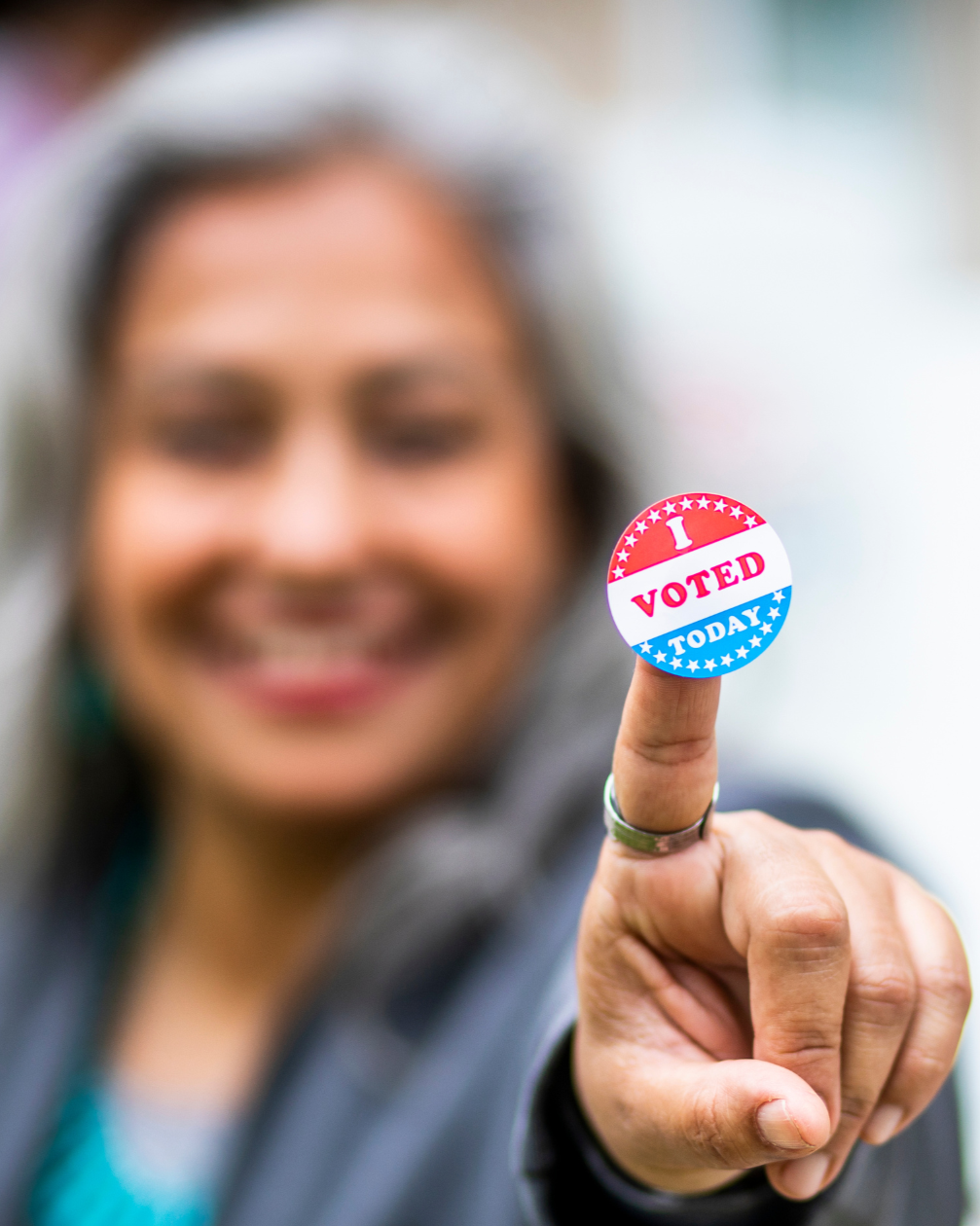
Find Your Legislator
Enter your address and look up how your representative voted.
2026 Session: What Stood Out
This session saw sustained focus on:
Redefining gender across state law
Tightening voter eligibility requirements
Expanding who can challenge someone’s right to vote
Restricting abortion access
Fear-driven messaging around election integrity
Foreign land ownership and political signaling
Meanwhile, South Dakotans are still asking about:
Property tax relief
Healthcare access
Childcare affordability
Housing supply
Workforce shortages
Public school funding stability
Voters can decide for themselves whether this session reflected everyday common sense — or national culture war priorities imported into Pierre.
Which Bills Defined 2026?
We are narrowing this session to 10–15 defining bills.
Not every bill.
Not symbolic resolutions.
The ones that had real impact.
If a bill shaped rights, raised costs, restricted access, shifted power, or exposed priorities — it belongs in that list.
We’re inviting public input before finalizing it.
2026 Legislative Scorecard: We’re Working to Get You the Record Before You Vote
The session is over. The campaigning never stopped.
In an election year, legislative sessions often double as political staging grounds. High-profile bills become campaign messaging. Sponsorship becomes positioning.
This year included legislation redefining “man” and “woman” in state law, tightening voter eligibility requirements, expanding voter challenge mechanisms, and advancing other culture war priorities that quickly became central to primary politics.
When lawmakers sponsor and champion bills that dominate headlines, voters should ask a simple question:
Was this about solving a pressing state problem, or shaping a primary narrative?
Our 2026 Legislative Scorecard will not speculate on motives.
It will document actions.
In many South Dakota districts, the primary election determines who holds office. That means the most consequential political decisions often happen before November.
Voters should not walk into a primary guessing.
They should know:
Did their legislator prioritize culture war legislation or cost-of-living relief?
Did they expand voting access or restrict it?
Did they focus on governing or signaling?
Did they sponsor bills that shaped the tone of the session?
If a legislator used the session to position themselves for higher office, that pattern will be visible in the record.
Primary voters deserve to see it clearly before they cast a ballot.
Key Bills & Votes
A curated list of high-impact 2026 bills — explained in plain language.
-
Status: Passed
What It Does
Expands eligibility or funding for school meal programs to ensure more students receive free or reduced-cost lunches.Why It Matters
This is basic governance: kids learn better when they aren’t hungry. It’s a reminder that not every bill is about culture wars — some are about making sure children can focus in class. -
Status: Failed
What It Does
HB 1281 reduces the state sales and use tax on food and food ingredients to zero percent. To offset the revenue change, it adjusts certain other tax rates and directs two percent of several existing tax streams into a newly created School Building Construction Fund, which would provide zero-interest loans to school districts for facility construction or expansion.Why It Matters
This bill combines tax relief with long-term school infrastructure policy. Eliminating the sales tax on food affects every household immediately. The new construction fund would reshape how school districts finance buildings — shifting some reliance away from local bonding toward a state-administered loan system. -
Status: Passed
What It Does: Revises or repeals provisions allowing probation in cases involving contempt of custody or visitation decrees.
-
Status: Passed
What It Does: Allows school district boards to require certain students to receive instruction in alternative educational settings.
-
Status: Failed
What It Does: Updates the schedule used to determine child support payment obligations.
-
Status: Passed
What It Does: Allows the Public Utilities Commission to assess actual costs to data centers.
-
Status: Passed
What It Does: Revises property tax levies for school districts and modifies both the state aid general formula and special education funding formula.
-
Status: Signed
Requires posting of post-election audits, equipment testing, and canvass notices on official sites. Push for clarity in electoral systems.
-
Status: Signed
What It Does
SB 30 allows the Secretary of State, a county auditor, or any registered voter in the same county to file a formal challenge to another person’s voter eligibility. Challenges are limited to whether the voter has registered in another state, meets residency requirements, or is a U.S. citizen, and must be filed at least 90 days before an election.Why It Matters
Noncitizen voting is already illegal. This bill doesn’t create that prohibition — it expands who can initiate a challenge. By empowering any voter in the county to question another voter’s eligibility, SB 30 shifts more gatekeeping power to private individuals. Whether that strengthens election integrity or opens the door to targeted challenges depends entirely on how it’s used. -
Status: Signed
What It Does: Permits use of confirmation letters to verify a voter’s registration.
-
Status: Failed
What It Does: Amends provisions for conducting municipal and school district elections and declares an emergency.
-
Status: Passed
What It Does: Makes appropriations for water infrastructure and environmental purposes.
-
Status: Signed
What It Does: Revises compliance requirements related to limitations on foreign ownership of agricultural land.
-
Status: Signed
What It Does: Restricts ownership of real property interests by certain prohibited entities and provides enforcement mechanisms.
-
Status: Passed
What It Does: Updates the permit application process for proposed energy and transmission facilities.
-
Status: Signed
What It Does: Authorizes utilities to establish wildfire mitigation plans and modifies liability provisions for wildfire damages.
-
Status: Passed
What It Does: Creates a task force to study the creation of Indian Medicaid managed care entities in South Dakota.
-
Status: Passed
What It Does: Creates a task force to study the creation of Indian Medicaid managed care entities in South Dakota.
-
Status: Failed
What It Does: Provides a property tax credit for payment of nonpublic school tuition.
-
Status: Failed
What It Does: Protects persons from discrimination by financial institutions.
-
Status: Passed
What It Does: Revises provisions related to submission of nominating petitions.
-
Status: Passed
What It Does
SB 175 requires anyone registering to vote to provide documentary proof of U.S. citizenship. Acceptable documentation includes a qualifying driver’s license issued after July 1, 2025, a passport, birth certificate, certificate of naturalization, tribal ID, or other federally recognized proof of citizenship.If a person does not provide documentation, they may only be designated as a “federal voter,” meaning they can vote only in presidential and congressional races — not in state or local elections. The bill also declares an emergency, meaning it would take effect immediately upon passage.
Why It Matters
Noncitizen voting is already illegal under South Dakota law. This bill adds a documentation requirement on top of that existing prohibition.Supporters argue it strengthens election integrity. Critics argue it shifts the burden onto eligible voters to produce paperwork — something that can disproportionately affect rural residents, elderly voters, tribal citizens, and anyone without ready access to original documents.
SB 175 doesn’t change who is eligible to vote. It changes what you must prove — and how — before you can register.